
Restorative

Dental Bridges

Replace missing teeth with a natural-looking, fixed solution. Dental bridges restore your smile, improve chewing, and prevent remaining teeth from shifting out of place.
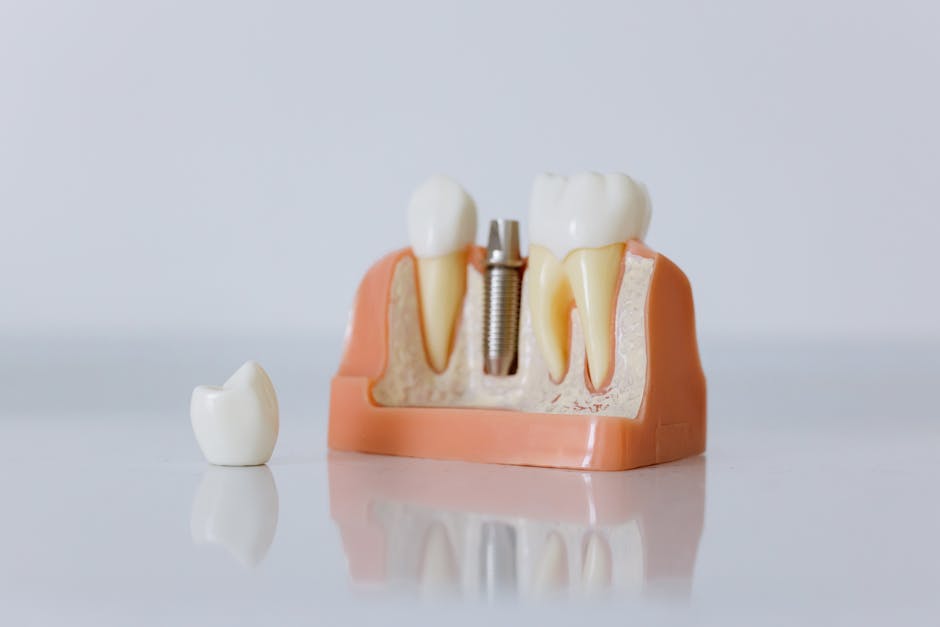
Close-up of a dental implant model featuring artificial teeth and jaw structure.

Restore Your Smile with Dental Bridges

At Smile Care Dental Group, we understand that missing teeth affect more than just your appearance. Whether you've lost teeth due to decay, gum disease, injury, or other health reasons, we're here to help you rebuild a complete, healthy smile with dental bridges.

How Missing Teeth Affect Your Oral Health

When you lose a tooth, the empty space creates problems that go beyond cosmetics:

  • Difficulty eating and speaking – Missing teeth make it harder to chew comfortably and speak clearly
  • Teeth shifting – Adjacent teeth slowly drift into the gap, changing your bite alignment
  • Opposing teeth problems – Teeth in the opposite arch can extrude when they no longer have a counterpart to bite against
  • Increased risk of decay and gum disease – Shifted teeth are harder to clean and create uneven pressure when chewing

The good news? Modern dental bridges offer an effective, long-lasting solution.

What Are Dental Bridges?

A dental bridge is a fixed (non-removable) restoration that literally "bridges" the gap left by one or more missing teeth. Unlike removable partial dentures, bridges are permanently attached and feel just like your natural teeth.

Bridges have been used for thousands of years, but today's versions are stronger, more comfortable, and more natural-looking than ever. We craft them from high-quality materials like porcelain, porcelain-fused-to-metal, and advanced ceramics like zirconia.

Types of Dental Bridges We Offer

Traditional Fixed Bridge

This is the most common type of bridge. We place crowns on the healthy teeth on either side of the gap, and these crowned teeth support the artificial tooth (called a "pontic") that fills the space. Think of it like a bridge over water—the support pillars at each end hold up the span in between.

A traditional bridge can replace one or more missing teeth in a row and provides excellent strength and stability.

Implant-Supported Bridge

For the most advanced tooth replacement, we recommend implant-supported bridges. Instead of relying on your natural teeth for support, the bridge attaches to dental implants—small titanium posts that replace tooth roots.

Benefits of implant-supported bridges:

  • No need to alter healthy adjacent teeth
  • Prevents jawbone shrinkage that occurs after tooth loss
  • Most closely replicates the feel and function of natural teeth
  • Can replace any number of teeth, from one to a full arch
  • Helps maintain normal facial contours

At Smile Care Dental Group, we provide expert guidance to help you choose between traditional and implant-supported bridges based on your unique needs, oral health, and goals.

Your Bridge Treatment Process

Getting a dental bridge typically involves:

  1. Consultation and planning – We examine your mouth, take X-rays, and discuss your options
  2. Tooth preparation (for traditional bridges) – We prepare the supporting teeth and take precise impressions
  3. Temporary bridge – You'll wear a temporary bridge while your custom restoration is crafted
  4. Final placement – We check the fit, color, and bite, then permanently cement your new bridge

Caring for Your Bridge

With proper care, your dental bridge can last many years. Brush twice daily, floss carefully around the bridge (we'll show you how), and visit us regularly for checkups and cleanings.

Why Choose Smile Care Dental Group?

We combine skilled, experienced care with the latest dental technology and materials. Our mission is simple: help every patient enjoy optimal oral health and a smile they're proud to share. Whether you need a traditional bridge or an implant-supported solution, you can feel confident your smile will look great and function beautifully.

How it works
01

Consultation & Exam

We evaluate your oral health, discuss your goals, and recommend the best bridge option for your needs—traditional or implant-supported.

02

Preparation & Impressions

For traditional bridges, we gently prepare the supporting teeth and take precise impressions. For implant bridges, we plan implant placement. You'll receive a temporary bridge to wear.

03

Custom Fabrication

Your bridge is carefully crafted in a dental lab using high-quality materials that match your natural teeth in color and shape.

04

Final Placement

We check the fit, appearance, and bite of your new bridge, make any needed adjustments, and permanently cement it in place. You'll leave with a complete, confident smile.

Common questions
How long do dental bridges last?+

With good oral hygiene and regular dental visits, a well-made bridge can last 10–15 years or longer. Implant-supported bridges often last even longer because they don't rely on natural teeth for support.

Will my bridge look natural?+

Absolutely. We use high-quality porcelain and ceramic materials that are custom-shaded to match your surrounding teeth. Most people won't be able to tell you have a bridge.

Is getting a bridge painful?+

No. We use local anesthesia during the preparation appointment, so you won't feel discomfort. Some patients experience mild sensitivity afterward, but this typically fades quickly. We're here to keep you comfortable throughout the entire process.
Related services
Smile Care Dental Group

Dentures

Replace missing teeth with natural-looking, comfortable dentures. We offer full and partial dentures custom-crafted for a precise fit, helping you speak, smile, and eat with confidence.

Get in touchParamus, NJ

Ready when you are — let's get you smiling.

New patients are always welcome. Give us a call, and we'll find a time that fits — gentle care, honest answers, no pressure.

  • No-pressure, unhurried first visit
  • We file your insurance for you
  • Easy online booking, day or night
Call (973) 778-7500Contact us