
Oral Surgery

Extractions

Safe, gentle tooth removal when necessary to protect your oral health. We prioritize your comfort and explain every step of the process.
Smile Care Dental Group

What You Need To Know About Having A Tooth Extracted

At Smile Care Dental Group, your care and well-being are our top priorities. Every member of our skilled team strives to ensure your comfort and a stress-free experience. Our dedication to compassionate, personalized attention and gentle, precise care has earned the respect and trust of our patients.

While we do everything we can to preserve your natural smile, sometimes extracting a tooth is necessary to protect your oral health and overall well-being.

Common Reasons for Tooth Extraction

Over-retained baby teeth
Most baby teeth fall out on schedule as the permanent tooth erupts. Occasionally, a baby tooth remains firmly attached—either its roots haven't dissolved as intended, or it has fused to the bone. Over-retained baby teeth can disrupt the development and alignment of your child's smile. As we monitor your child's growth, we'll advise you if extraction is needed to help the permanent tooth come in properly.

Extensive decay that cannot be restored
Untreated cavities continue to damage healthy tooth structure, working from the outer enamel to the inner layers. Without care, decay can lead to significant structural damage, nerve damage, infection, and serious health consequences. When a tooth has sustained too much damage to be restored, extraction may be necessary.

Severe fractures or cracks
Teeth can chip, crack, or fracture in many ways. The extent of damage determines whether we can save the tooth. When too much structure is lost or the root is compromised, extraction may be the best option.

Advanced gum disease
Gum disease is the most common cause of tooth loss in adults. When left untreated, periodontal disease affects the tissues supporting your teeth, leading to pocket formation, gum recession, and bone loss. As it progresses, teeth can loosen, fall out, or require extraction.

Problematic wisdom teeth
Wisdom teeth are the last permanent teeth to develop and often don't have enough room to erupt properly. They may be impacted, poorly positioned, decayed, or cause problems for adjacent teeth. While we sometimes extract wisdom teeth in older patients, early removal in young adults is more common.

Overcrowded teeth
When your jaws aren't large enough to accommodate all your permanent teeth, crowding and misalignment result. As part of an orthodontic treatment plan to create an attractive, healthy, and functional bite, extracting select teeth may be necessary.

How Is a Tooth Extracted?

Whatever the reason for extraction, you can rest assured your care is in the best of hands. We'll start by reviewing your medical and dental histories and discussing any special considerations.

It's essential to inform us of any medical conditions or medications you're taking. In some situations, extra precautions—including premedication with antibiotics, medication adjustments, or medical clearance—may be required. Follow all our pre-surgical instructions and let us know if you're sick or have developed symptoms on the day of your appointment.

Our Extraction Process

We perform a comprehensive examination and take digital radiographs to thoroughly assess the tooth and determine the type of extraction needed. Extractions are typically categorized as either simple or surgical.

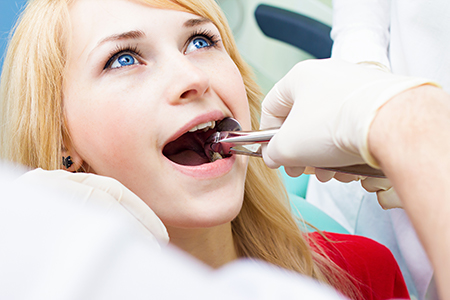
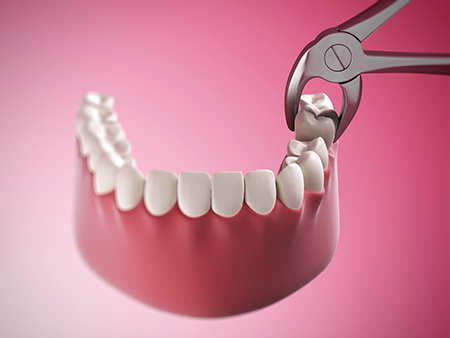
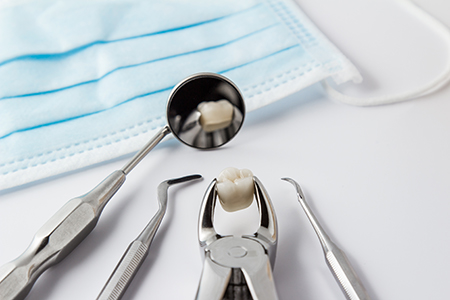
Simple extractions are performed when the tooth is clearly visible and the root anatomy is straightforward. Once we've thoroughly numbed the tooth and surrounding tissues with local anesthetic, we gently loosen the tooth and remove it.

Surgical extractions may be needed for teeth that are broken below the gum line, impacted, or have complex root anatomy. These procedures require additional techniques but are still performed with the same gentle, careful approach.

After Your Extraction

We'll provide detailed post-surgical instructions to ensure proper healing. Depending on your situation, we'll also discuss whether replacing the extracted tooth is recommended and review your options for restoration.

Our goal is to reduce any anxiety and ensure your comfort throughout the entire process. If you have questions or concerns about an upcoming extraction, we're here to help.

How it works
01

Consultation & Assessment

We review your medical and dental history, perform a comprehensive exam, and take digital radiographs to assess the tooth and plan the safest extraction approach.

02

Preparation & Anesthesia

We thoroughly numb the area with local anesthetic to ensure your comfort. If needed, we discuss sedation options to help you feel relaxed throughout the procedure.

03

Gentle Extraction

Using precise, careful techniques, we gently loosen and remove the tooth. Whether simple or surgical, we work methodically to minimize discomfort and promote healing.

04

Post-Operative Care & Follow-Up

We provide detailed aftercare instructions and discuss tooth replacement options if needed. Our team is available to answer questions and ensure your recovery goes smoothly.

Common questions
Will the extraction hurt?+

We thoroughly numb the area with local anesthetic before beginning, so you shouldn't feel pain during the procedure—just pressure and movement. After the anesthetic wears off, some discomfort is normal, but we'll provide clear instructions for managing it. Most patients find the procedure much easier than they expected.

How long does it take to heal after an extraction?+

Initial healing of the extraction site typically takes 1-2 weeks, though complete bone healing can take several months. Most patients return to normal activities within a few days. We'll give you specific aftercare instructions to promote proper healing and minimize discomfort.

Do I need to replace an extracted tooth?+

It depends on which tooth is removed and your overall dental health. Baby teeth making way for permanent teeth don't need replacement, and wisdom teeth typically don't either. However, other permanent teeth often should be replaced to prevent shifting, bite problems, and bone loss. We'll discuss your options—such as dental implants, bridges, or partial dentures—and help you make the best decision for your smile.
A closer look
Smile Care Dental Group
Related services
Smile Care Dental Group

Orthodontics

Straighten your smile with modern orthodontic treatment. We offer braces and aligners for children and adults to improve alignment, function, and confidence.

Dentist reviewing a patient's dental x-ray on a computer screen in a clinic.

Digital Radiography

Advanced digital X-rays that reduce radiation exposure by up to 90%, provide instant results, and eliminate the need for chemical processing—safer for you and the environment.

Get in touchParamus, NJ

Ready when you are — let's get you smiling.

New patients are always welcome. Give us a call, and we'll find a time that fits — gentle care, honest answers, no pressure.

  • No-pressure, unhurried first visit
  • We file your insurance for you
  • Easy online booking, day or night
Call (973) 778-7500Contact us