
Endodontic

Root Canals

Save your natural tooth and relieve pain with gentle, modern root canal therapy. We use the latest technology to make the procedure as comfortable as a routine filling.

Smile Care Dental Group

An Effective Way to Preserve Your Natural Smile

If you've been told you need a root canal, there's no need for alarm. Today, a root canal procedure is as routine and comfortable as receiving a dental filling. In fact, it's typically the best way to relieve toothache pain, save a damaged tooth, and preserve your natural smile.

At Smile Care Dental Group, we use the latest technology to provide precise and gentle care. Patient comfort is our top priority, and you can rest assured your oral health is in the best of hands.

Why Root Canal Therapy Works

With a success rate of well over 90%, root canal procedures remain the most effective way of saving a tooth that has been severely compromised by decay or injury. Because keeping your natural teeth supports your oral health and overall well-being, root canal therapy is almost always preferable to extraction. Across the United States, root canal procedures are performed almost 41,000 times daily—close to 15 million times per year.

Why You May Need Root Canal Therapy

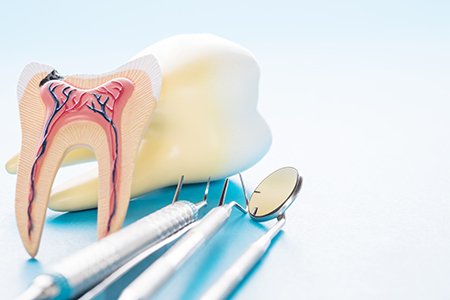
Your teeth contain more than just the hard outer surfaces and roots. Inside each tooth is a central chamber containing connective tissue, nerves, and blood vessels—collectively known as the dental pulp. This pulp helps your tooth grow and mature, provides nourishment, and alerts you to problems through sensitivity and pain.

When the dental pulp becomes irreversibly damaged or dies due to decay, trauma, or infection, a root canal becomes necessary. The good news: once your tooth is fully developed, it doesn't require the pulp to remain functional. If enough intact tooth structure and bone support remain, we can save your natural tooth with root canal therapy.

Warning Signs You May Need a Root Canal

Not every instance of dental discomfort indicates the need for root canal therapy, but here are common warning signs:

Unresolved, persistent pain – Pain that wakes you up at night or doesn't go away often signals that decay or damage has affected the tooth's inner tissues.

Temperature sensitivity – Extreme sensitivity to hot or cold foods and drinks can indicate an inflamed or non-vital dental pulp.

Discomfort with pressure or touch – Pain when biting, chewing, or even lightly touching the tooth may indicate pulpal damage or infection.

Darkened, discolored tooth – A discolored tooth often means the inner tissues, including the nerve and blood supply, have been compromised.

Chipped, cracked, or fractured tooth – An injury that damages tooth structure can also traumatize the dental pulp.

Swelling around the tooth and gums – Swelling may indicate an infection has developed and requires prompt care.

Tooth mobility – The pathology associated with a tooth needing root canal therapy can damage the supporting bone and produce some movement.

The Importance of Timely Care

All of these signs require prompt evaluation and care. Sometimes a tooth needing root canal therapy hasn't yet shown symptoms and is first diagnosed during a comprehensive routine exam through radiographic evidence of root pathology or structural damage.

When a root canal is recommended, timely care is essential. Delaying the procedure increases the risk of more severe symptoms developing. A dental infection can pose significant consequences to your oral health and even threaten your overall well-being.

Modern, Comfortable Treatment

With the advanced instruments and techniques available today, having a non-surgical root canal procedure is often as comfortable as getting a routine dental filling. We'll make sure you're completely numb and at ease throughout the entire process.

How it works
01

Examination & Diagnosis

We carefully examine your tooth, review X-rays, and discuss your symptoms to confirm whether root canal therapy is needed.

02

Comfortable Anesthesia

We ensure you're completely numb and comfortable before beginning. Many patients report feeling no discomfort during the procedure.

03

Cleaning & Sealing

We gently remove the damaged pulp, clean and disinfect the inner chamber, then seal the tooth to prevent future infection.

04

Restoration

After healing, we restore your tooth with a filling or crown to protect it and return it to full function and appearance.

Common questions
Will a root canal hurt?+

No. With modern anesthesia and techniques, a root canal is as comfortable as getting a routine filling. The procedure actually relieves the pain you've been experiencing from the damaged tooth.

How long does a root canal take?+

Most root canal procedures can be completed in one or two appointments, depending on the tooth and extent of damage. Each appointment typically lasts 60 to 90 minutes.

What happens if I don't get a root canal?+

Delaying treatment allows the infection to spread, which can lead to severe pain, swelling, abscess formation, bone loss, and ultimately tooth loss. In rare cases, untreated infections can affect your overall health.

A closer look
Smile Care Dental Group
Related services
Smile Care Dental Group

Dental Fillings

Gentle, precise treatment to restore decayed teeth with durable, natural-looking fillings that rebuild strength and function.

Smile Care Dental Group

Oral Exams

Comprehensive dental exams to monitor your oral health, detect problems early, and keep your smile healthy. We examine teeth, gums, bite, and screen for oral cancer at every visit.

Get in touchParamus, NJ

Ready when you are — let's get you smiling.

New patients are always welcome. Give us a call, and we'll find a time that fits — gentle care, honest answers, no pressure.

  • No-pressure, unhurried first visit
  • We file your insurance for you
  • Easy online booking, day or night
Call (973) 778-7500Contact us